Psychologist talking with an older woman and her son in a bright lounge

Neuropsychological assessment and psychological support in rehabilitation

Neuropsychological assessment, cognitive rehabilitation for memory and attention, support for your mood and your family, and therapy for functional seizures, all in English.

No referral or paperwork needed for the first call.

Psychology and neuropsychology at Evexia Plus

At Evexia Plus, psychology looks after how you think and how you feel. Our psychology and neuropsychology team works in fluent English with people after a stroke or a brain or spinal cord injury, and with conditions such as multiple sclerosis, Parkinson's and FND. A neuropsychological assessment early in your stay shows your strengths and what has become harder, such as memory or attention, and guides the whole team. A physician in Physical Medicine and Rehabilitation sets your goals with you. Psychology is part of at least 3 hours of therapy a day, and the cost is reimbursable by the HSE.

Neuropsychological assessment and the other ways we help

Your psychology team chooses from these to suit what you need, and changes the plan as you progress.

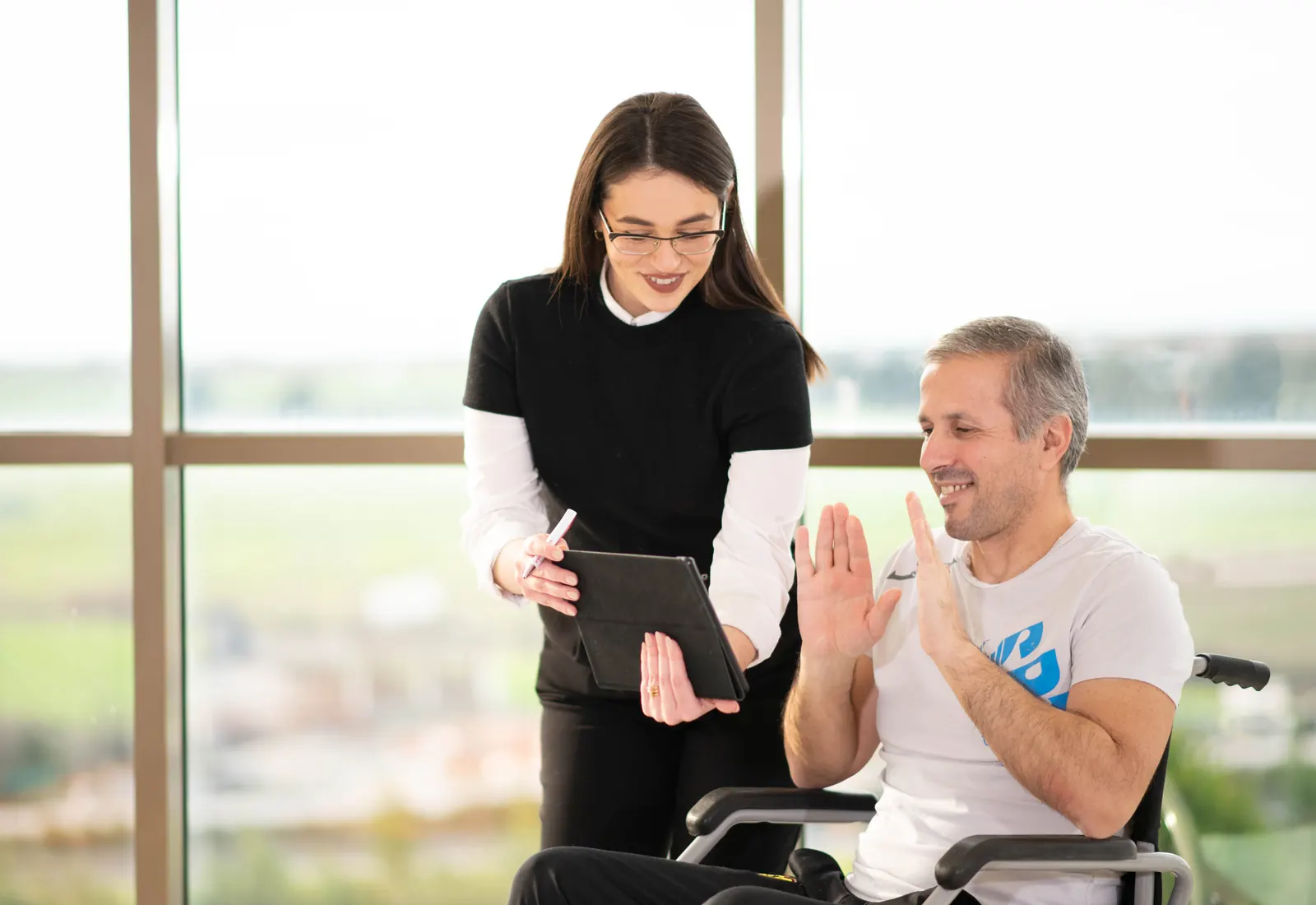
Psychologist going through a task on a tablet with a man in a wheelchair

Neuropsychological assessment, on arrival and before you go home

A detailed check of memory, attention, language, planning and mood. You talk with the psychologist, then do puzzles, drawings and memory tasks on paper or a computer. The results guide the whole team, and a second assessment before you leave shows what has changed.
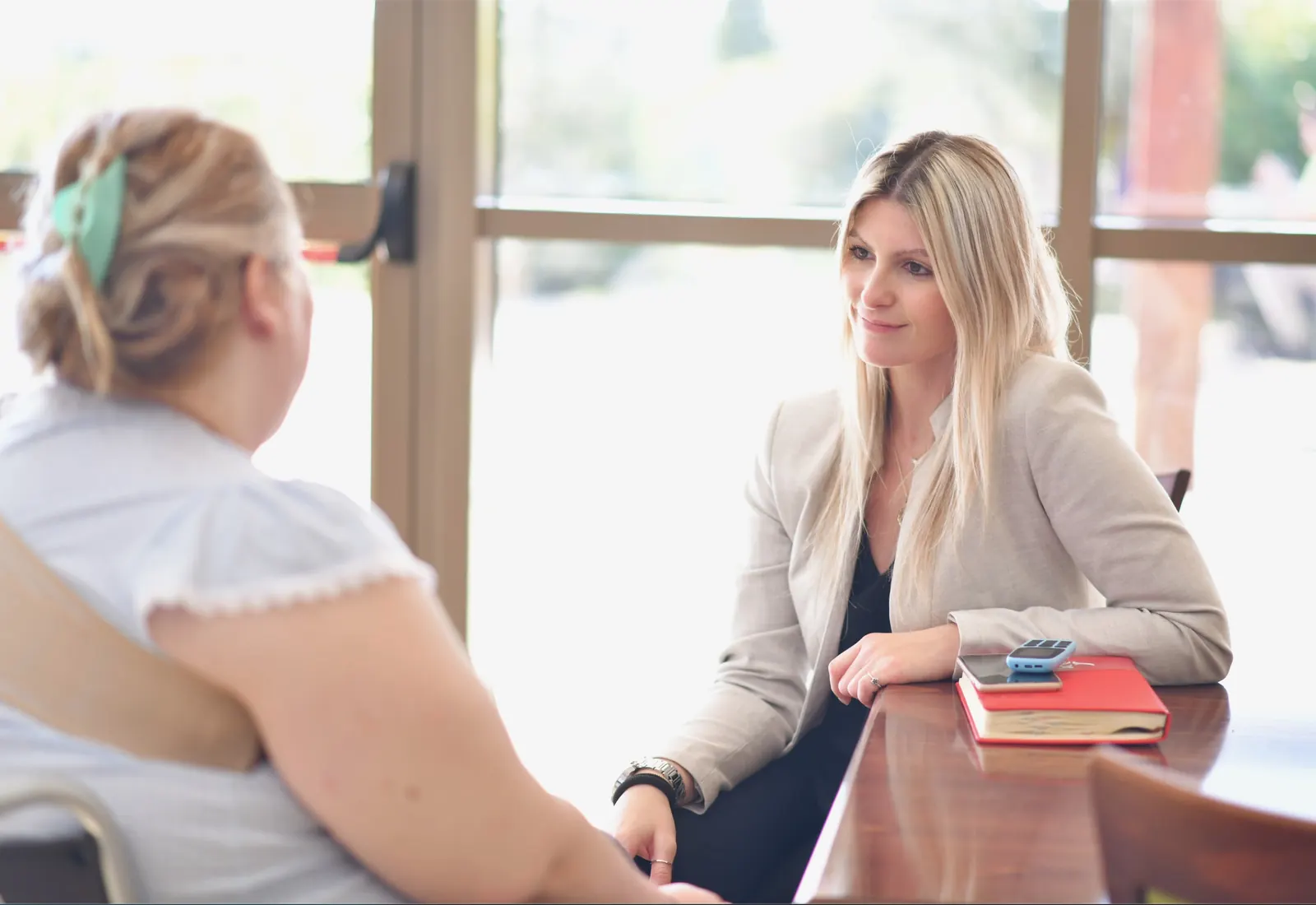

Psychologist talking with a patient at a table with a diary and a phone

Cognitive rehabilitation for memory, attention and planning

Practice and strategies for everyday life, such as using a diary or phone reminders, breaking a task into steps and managing distractions. Your occupational therapist builds the same strategies into washing, dressing and other daily tasks.

Psychologist holding the hand of a smiling older woman in her hospital bed

Support for mood and adjustment

Time with a psychologist to talk about what has happened, and help with low mood, worry, poor sleep or frustration, which are common after a brain injury or a serious illness.

More ways we help

Memory and attention exercises on a computer

Exercises on a computer or touchscreen that practise attention and memory, getting harder as you improve. Your therapist sets the level, and the exercises always sit alongside practice in real, everyday tasks.

Support for families and carers

Your family can meet the psychologist to understand the changes, learn how to help, for example with memory aids, and talk about their own worries. A serious illness affects the whole family.

Psychological therapy for functional seizures

For functional (dissociative) seizures, part of FND. You learn your triggers and warning signs and practise skills such as slow breathing and grounding to help you manage an attack, and your family learns what to do during one.

Confusion and agitation after a head injury

A set protocol for post-traumatic amnesia and agitation, with a steady routine, so rehabilitation can begin during this phase. The team can also call on a psychiatrist when needed.

Psychology and neuropsychology are part of the inpatient programme, which is reimbursable by the HSE under the EU Cross-Border Healthcare Directive.

You pay the hospital, then claim the cost back, and we give you every document the claim needs. It is the same wherever you live in Ireland, from Cork and Limerick to Kildare, Meath and Louth.

How it works, step by step

Questions about neuropsychological assessment and psychology

Something else on your mind? Call us on 01 263 3051.

What is a neuropsychological assessment?

A neuropsychological assessment is a detailed check of how your brain is working: memory, attention, language, planning, problem-solving and mood. It shows your strengths and what has become harder after a brain injury, stroke or neurological illness, and how this affects daily life. It is not an IQ test, and nobody is expected to get everything right.

What does a neuropsychological assessment involve?

First you talk with the psychologist about what has changed. Then you do a series of tasks, such as puzzles, drawings, remembering lists and answering questions, on paper or a computer. Some feel easy and some feel hard. With your permission, a family member may be asked about daily life. Afterwards, the results are explained to you and your family, and you agree what to work on.

What does a neuropsychologist do in a rehabilitation hospital?

A neuropsychologist assesses memory, attention, thinking and behaviour after an injury or illness of the brain, and explains the results to you, your family and the rest of the team. They then lead therapy that helps you manage the difficulties day to day. At Evexia Plus, a second assessment before you go home shows what has changed.

What is the difference between a psychologist and a neuropsychologist?

Both are psychologists. A neuropsychologist has further training in how brain injury and neurological illness affect memory, thinking and behaviour, and carries out neuropsychological assessments. A psychologist in rehabilitation focuses more on mood, adjustment and coping. At Evexia Plus they work as one team, with your family involved as much as you want.

Is psychology at Evexia Plus in English?

Yes. Psychology and neuropsychology are delivered in fluent English, including the assessments, and every member of our staff communicates in English. This matters most for memory and language tasks, which need to be done in your own language.

Can my family get support too?

Yes. Your family can meet the psychologist to understand what has changed, learn how to help, for example with memory aids or during a functional seizure, and talk about their own worries. A brain injury or serious illness affects the whole family, so support for families and carers is part of every programme.

Is psychology reimbursable by the HSE?

Yes. Psychology and neuropsychology are part of the inpatient rehabilitation programme, which is reimbursable by the HSE under the EU Cross-Border Healthcare Directive. You don't need a medical card or private insurance. We send a written estimate in English before you commit, and give you every document the claim needs.

Talk to us about psychology and neuropsychology

Tell us a little about you and what you'd like to work on. We reply within one working day, Monday to Friday.
Thank you. Your enquiry has been received. We will reply within one working day, Monday to Friday. If you need to speak with us sooner, please call 01 263 3051.
Your enquiry could not be submitted. Please try again, or contact us directly on 01 263 3051 or at info@evexia.ie.